How Diet Affects Teeth Color Seasonally: Stain Guide 2026
Seasonal foods and drinks shift stain risk, acidity, and saliva flow.
Teeth shade is not fixed. It changes with what you sip and snack on through the year. In this guide, I break down how diet affects teeth color seasonally with science, real-life tips, and simple habits that work. If you want a clean, bright smile without giving up flavor, stay with me. You will learn why some months invite more stains, what to eat to buffer them, and how to keep enamel strong day by day.

How diet affects teeth color seasonally: the science
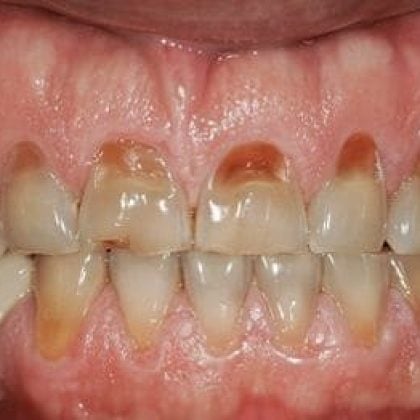
Teeth color is shaped by two things. Stains on the outside and changes under the surface. Foods rich in chromogens (deep pigments) and tannins (binding agents) stick to the tooth pellicle. Acidic drinks roughen enamel. That makes it easier for stains to hold on.
Saliva is your natural rinse. It buffers acid and carries minerals like calcium and phosphate. Hot, cold, dry, and humid weather can shift saliva flow. So can allergies and travel habits. When saliva drops, plaque builds. Plaque traps color.
Across seasons, we swap coffee styles, fruits, wines, sauces, and sports drinks. Each change tilts the balance between stain load, acidity, and rinsing. That is how diet affects teeth color seasonally.

Spring: fresh produce, green teas, and allergy effects
Spring brings berries, greens, herb sauces, and matcha. Strawberries have malic acid that may polish a bit. But acid can also soften enamel if you overdo it. Leafy greens and crunchy veggies help scrub the surface. They also boost saliva.
Allergy season matters. Mouth breathing dries the mouth. That makes stains stick longer. If you sip matcha or green tea, remember it has tannins. Rinse with water after. These patterns explain how diet affects teeth color seasonally.
Summer: berries, iced drinks, sauces, and sports sips
Summer is peak stain season for many people. Blueberries, cherries, barbecue sauces, iced coffee, and iced tea pack pigments and tannins. Popsicles and sports drinks add dyes and acid. Acid opens pores in enamel. Pigments then dive in.
Heat and long days can mean dehydration. Less saliva means less rinsing. If you swim a lot in pools with high pH, you may see yellow-brown scale build-up (often called swimmer’s calculus). That rough layer catches stains. Keep water close, use a straw for dark drinks, and rinse after sauces. These choices shape how diet affects teeth color seasonally.

Fall: comfort foods, curry spices, coffee, and beets
Cooler days bring hot coffee and black tea back into the routine. Many fall dishes use turmeric and curry blends. They are healthy but very colorful. Beets, balsamic, and dark gravies also raise stain risk. Apple pies are sweet. Sugar fuels plaque, and plaque holds color.
Balance helps. Add cheese or yogurt when you can. Dairy buffers acid and helps remineralize enamel. Keep a water rinse nearby. Plan a mid-season polish or use a gentle whitening paste. These moves manage how diet affects teeth color seasonally.
Winter: red wine, teas, soy sauce, and dry indoor air
Holiday menus load the plate with red wine, mulled wine, cranberry sauce, dark teas, and soy-based marinades. Many of these are both acidic and rich in tannins. That is a perfect mix for stains. Indoor heating also dries the air. A dry mouth means stains set faster.
Reach for still water between sips. Try lighter roasts or add milk to tea or coffee to cut stain binding. Keep floss close during party season. Fast plaque removal keeps pigments from sinking in. These habits protect you as how diet affects teeth color seasonally plays out.

Beyond diet: habits, travel, and environment
Seasonal trips and parties break routines. You may brush late, skip floss, or use bottled water with less fluoride. Cold air can push nose-to-mouth breathing. That dries the mouth and raises risk. Even the color of lipsticks or lighting can change how white teeth look in photos.
Set anchors. Keep a travel kit with a soft brush, flossers, and a small fluoride or hydroxyapatite paste. Chew sugar-free gum with xylitol after meals. Take two big swigs of water after every dark drink. These simple steps matter in how diet affects teeth color seasonally.

Prevention and care by season: simple, proven routines
Use a light, repeatable plan. Keep it easy. Keep it steady.
Year-round basics
- Brush twice a day with fluoride or hydroxyapatite paste. Aim for two minutes.
- Floss nightly. Clean the tongue once a day.
- Rinse with water after any dark or sour food.
- Wait 30 minutes to brush after acid hits. Let enamel re-harden.
Spring
- Rinse after berries and matcha. Pair fruit with yogurt or cheese.
- Manage allergies. A simple saline spray can help reduce mouth breathing.
Summer
- Use straws for iced coffee and tea.
- Hydrate. Sip water between colored drinks and sauces.
- Reach for crunchy produce at picnics. Apples and celery act like gentle scrubbers.
Fall
- Add milk to tea or coffee to cut stain binding.
- Space out curry and beet meals. Rinse right after.
- Book a cleaning before holiday photos.
Winter
- Alternate red wine with water. Blot lips to avoid staining teeth from pigments on lipstick or gloss.
- Keep a bedside water bottle. Dry air is sneaky at night.
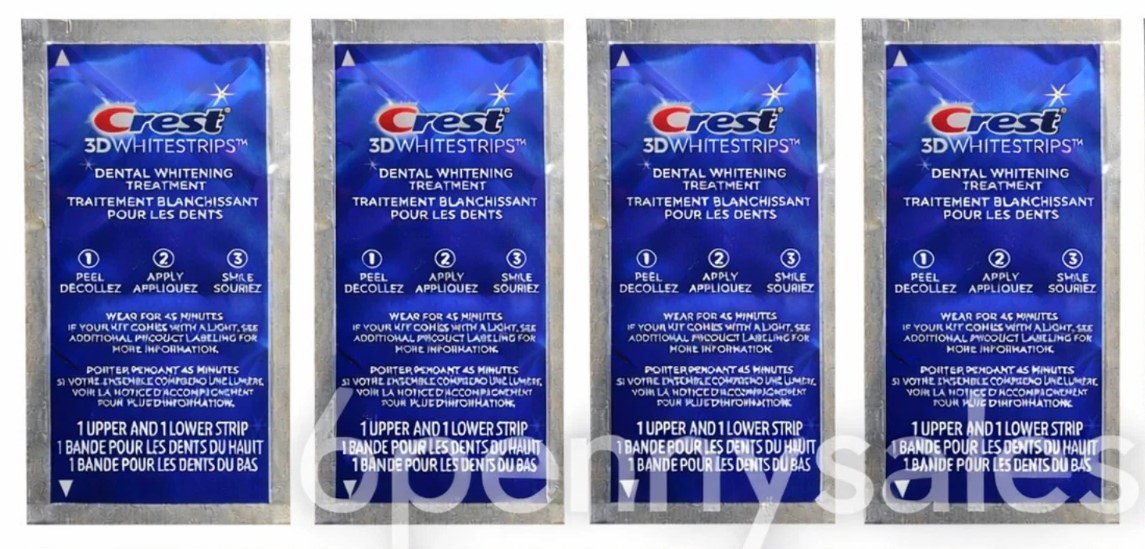
- Use a gentle whitening gel for a short touch-up if approved by your dentist.
These routines give you control over how diet affects teeth color seasonally.
Common myths, mistakes, and what actually works
Myth: Strawberries or lemon whiten teeth safely. Truth: They are acidic. They may brighten at first but can erode enamel and invite stains later.
Myth: Charcoal pulls stains out of enamel. Truth: It is abrasive. It can scratch and dull enamel over time.
Myth: Oil pulling makes teeth whiter fast. Truth: It may freshen breath by lifting debris. It does not remove deep stains like peroxides can.
Mistake: Brushing right after wine or soda. Do not do that. Wait at least 30 minutes. Rinse with water first to protect enamel.
What works: Fluoride or hydroxyapatite to rebuild minerals. Professional cleanings. Short, dentist-approved whitening cycles. Smart timing around big stain seasons. These facts keep you aligned with how diet affects teeth color seasonally.

Frequently Asked Questions of how diet affects teeth color seasonally
Does iced coffee stain more than hot coffee?
Temperature is less important than contact time and color load. Iced drinks often linger with sips, so stains may be worse unless you use a straw and rinse.
Are berries worse than red wine for staining?
Both stain. Berries have strong pigments, while wine adds acid and tannins that help color stick, so wine can set stains faster.
Can I use whitening toothpaste every day?
Yes, if it is low-abrasion and approved for daily use. Pair it with fluoride or hydroxyapatite to protect enamel.
Do sports drinks change tooth color?
They are acidic and often dyed. They soften enamel and let color bind, especially with frequent sips.
What is the best quick fix after a stain-heavy meal?
Rinse with water, chew sugar-free gum, and wipe teeth with a soft cloth if needed. Brush after 30 minutes.
How diet affects teeth color seasonally if I only drink tea?
Tea contains tannins that bind to enamel. Add milk, use a straw for iced tea, rinse after, and plan periodic whitening if needed.
Will switching to white wine help?
It helps a bit because it has fewer chromogens. But it is still acidic, so follow it with water and wait before brushing.
Conclusion
Your smile shifts with the seasons because your menu and habits shift too. Pigments, tannins, acids, and saliva flow rise and fall through the year. With a simple plan, you can enjoy bold flavors and keep a bright shade.
Start today. Pick one habit per season and make it stick. Rinse after color, pair acids with dairy, and protect enamel with fluoride or hydroxyapatite. Want more bite-size tips on how diet affects teeth color seasonally? Subscribe, share your biggest stain challenge in the comments, and let’s keep your smile photo-ready all year.