Pa Health And Wellness: Your Guide To Better Living
I have spent years helping people in Pennsylvania find care, get coverage, and build habits that last. When we talk about pa health and wellness, we mean more than doctor visits. We mean access, prevention, mental health, food, fitness, and community support. In this guide, I’ll break down the systems, the steps, and the simple daily actions that help Pennsylvanians thrive. I’ll share what works in real life and how to avoid common mistakes.
Source: www.pahealthwellness.com
What Pa Health And Wellness Means Today
Health in Pennsylvania blends coverage, care, and community. It includes Medical Assistance (Medicaid), CHIP for kids, Medicare, employer plans, and marketplace plans on Pennie. It also includes managed care plans that coordinate services. One example is the plan called PA Health & Wellness, which serves some Medicaid and Medicare members in the state.
Wellness goes beyond insurance. It is prevention, mental health, safe housing, healthy food, and clean air and water. It is getting a flu shot, booking a dental check, and knowing where to call in a crisis. Strong wellness systems save money and reduce suffering. State data and national reports show prevention and early care lower hospital use and improve life span.

Source: www.prnewswire.com
Navigating Coverage In Pennsylvania
You can get covered in several ways. The right path depends on age, income, job status, disability, and family size. Here is a simple map.
- Medical Assistance (Medicaid) For low-income adults, children, pregnant people, seniors with limited income, and people with disabilities. Apply online through COMPASS or by mail.
- CHIP For children and teens up to age 19 who are not eligible for Medical Assistance. Many families qualify for low or no cost.
- Pennie Marketplace For people who do not get job-based coverage. Many get tax credits to lower monthly costs.
- Medicare For adults 65+ and some people with disabilities. You can add Part D or choose a Medicare Advantage plan.
- Managed Care Organizations Plans like PA Health & Wellness, UPMC, Geisinger, and Highmark manage benefits for many Medicaid and Medicare members. They offer care coordination and extras like rides or wellness programs.
Practical tip: check your provider network before you enroll. Also confirm your medicines are on the plan’s formulary. If you need help, call your county assistance office or a certified navigator. They can compare plans and explain benefits without cost.
Preventive Care Checklist For Pennsylvanians
Prevention is your best investment. I teach people to set reminders and batch appointments.
- Vaccines Stay up to date on flu, COVID-19, Tdap, shingles, and pneumonia based on age and risk. Pharmacies can help.
- Screenings Adults 45–75 need colon cancer screening. Women should discuss mammograms by age 40–50 based on risk. Everyone needs blood pressure, cholesterol, and diabetes screening as advised by a clinician.
- Dental And Vision Aim for a dental cleaning twice a year and an eye exam every 1–2 years, sooner if you have diabetes.
- Women’s And Men’s Health Schedule cervical cancer screening, STI testing as needed, and prostate risk talks with your clinician.
- Kids And Teens Keep well-child visits and shots on time. CHIP covers these visits.
Evidence shows these steps cut risk and cost. Use a simple checklist in your phone. Book the next visit before you leave the current one.
Mental Health And Substance Use Support
Mental health is health. Pennsylvania offers help at many levels. In an urgent mental health crisis, call or text 988. You will reach trained counselors 24/7. County mental health programs can connect you to therapy, case management, and community supports.
Substance use treatment is available across the state. Medication for opioid use disorder (like buprenorphine and methadone) saves lives. Many clinics also offer peer support and recovery coaching. If you carry naloxone, you can reverse an overdose and call 911. Pharmacies can provide naloxone without a personal prescription.
If you feel stuck, ask for a warm handoff. That means your provider connects you directly to a counselor or program. It reduces dropout and speeds care.
Healthy Living In PA: Food, Fitness, Environment
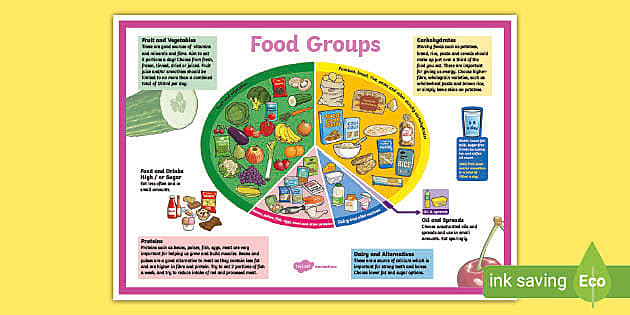
Food access shapes pa health and wellness. Use SNAP and WIC if you qualify. Many farmers markets and some CSAs accept these benefits. Look for Double Up Food Bucks to stretch produce dollars.
Fitness is easier when it is fun and local. Try Pennsylvania’s state parks, Rails-to-Trails paths, or community centers. Ten-minute walks add up. Aim for 150 minutes of moderate activity a week and two days of strength work. Bodyweight moves at home count.
Environment matters. Check daily air quality, especially in urban or industrial areas. On poor air days, exercise indoors if you have lung or heart disease. Use home test kits for radon if you live at ground level. Small steps like air filters and smoke-free homes improve health.
Telehealth And Rural Access
Telehealth is now a core tool in Pennsylvania. It helps people in rural areas and those with limited transport. Many Medicaid and Medicare plans cover video and phone visits. You can often get primary care, behavioral health, and follow-ups this way.
If your broadband is weak, ask for phone visits or low-bandwidth platforms. Federally Qualified Health Centers and Rural Health Clinics can help with tech and language access. Many offer sliding fee scales.
Tip from the field: do a quick tech check before your visit. Test your mic and camera. Keep a list of meds and questions handy. It makes a 15-minute slot very effective.
Caregiver And Aging Resources
Caring for older adults is a team effort. Area Agencies on Aging help with meals, rides, home care, and caregiver support. PACE and PACENET help many seniors afford prescriptions. Medicare counseling is available through trained counselors at no cost.
For long-term services and supports, Medicaid waivers can cover care at home or in the community. Managed care plans often assign a care manager to coordinate equipment, therapy, and home aides. Keep a shared binder or digital folder with meds, contacts, and legal forms.
Caregiver self-care matters. Set respite breaks. Use adult day programs or short-term home care to recharge. Burnout helps no one.
My Field Notes: Lessons From Helping Patients In PA
I once helped a single parent in York who lost coverage mid-treatment due to a paperwork delay. We fixed it fast by submitting documents through COMPASS and calling the plan together. Lesson: always confirm your renewal date and set a reminder 45 days before it.
A patient in Erie had no car and missed follow-ups. We solved it by switching to a plan with reliable ride benefits and using telehealth for routine checks. Lesson: pick a plan for the benefits you will use, not only the premium.
A retiree near Scranton paid too much for meds. We checked PACE eligibility and moved some drugs to preferred alternatives. His monthly cost dropped by half. Lesson: review your meds with a pharmacist each year and ask about lower-cost options.
How To Build Your 90-Day Wellness Plan
Set one clear goal per month. Keep it small and specific. Stack it onto a habit you already do.
- Days 1–30 Book overdue checkups and screenings. Set up your patient portals. Add reminders to your calendar.
- Days 31–60 Start a walking routine. Ten minutes after lunch and dinner. Add strength on two days with simple moves like squats and wall push-ups.
- Days 61–90 Tidy your food environment. Place fruit on the counter. Prep veggies once a week. Swap one sugary drink for water daily.
Bonus steps: order a blood pressure cuff, learn to use it, and log readings. Ask your plan about rides, nutrition visits, or gym discounts. Share your plan with a friend for accountability.
Frequently Asked Questions Of Pa Health And Wellness
Q. What is the difference between “PA health and wellness” and PA Health & Wellness the plan?
PA health and wellness is a broad idea about health in Pennsylvania. PA Health & Wellness is also the name of a managed care plan that serves some Medicaid and Medicare members. Context matters. Both can be part of your health journey.
Q. How do I know if I qualify for Medical Assistance in Pennsylvania?
Eligibility is based on income, household size, disability, pregnancy, and other factors. Use the COMPASS prescreener or speak with a county assistance office or navigator. They can help you apply and tell you what documents you need.
Q. What preventive screenings should I prioritize this year?
Adults should check blood pressure, cholesterol, and diabetes as advised. Cancer screenings include colon screening starting at 45, and mammograms based on your risk and age. Keep vaccines current, and do dental and vision visits on a regular schedule.
Q. Is telehealth covered for behavioral health in PA?
Yes, most Medicaid, Medicare, and marketplace plans in PA cover tele-therapy and tele-psychiatry. Phone-only visits are often allowed. Check your plan and ask providers about their telehealth options.
Q. Where can I find low-cost or free mental health support?
Start with 988 for crisis help. County mental health offices, community health centers, and some nonprofits offer low-cost care. If you have insurance, ask about in-network therapists and virtual options to reduce wait times.
Q. How can I get rides to medical appointments?
Many Medicaid managed care plans offer non-emergency medical transportation. Some Medicare Advantage plans do too. Call the number on your member card to schedule. Book rides a few days in advance when possible.
Q. What if I lose coverage due to missing paperwork?
Act fast. Submit the missing forms through COMPASS or by fax or mail. Call your plan and the assistance office to confirm receipt. Ask for retroactive coverage if you had medical bills during the gap.
Conclusion
Pa health and wellness is a team sport. With the right coverage, smart prevention, mental health support, and daily habits, you can build a life that feels strong and steady. Start small today. Book one checkup, take one walk, and make one simple food swap.
If this guide helped, subscribe for more Pennsylvania-focused health tips. Share your questions or wins in the comments. Your story can help someone else take the next step.
Watch This Video on pa health and wellness
>>> Get More Review Here: How To Check Heart Blockage At Home <<<